

Woodwide cultivates durable intelligence:
the capacity to think deeply,
adapt, and apply learning
across contexts.
Why Woodwide
School has traditionally been organized around a relatively fixed model.
Knowledge is divided into subjects, mastery measured individually, and learning often directed toward bounded problems with knowable answers.
But the world young people are entering is less predictable: they must navigate abundant and competing information, make connections across domains, and respond thoughtfully to problems we cannot yet anticipate.
What if school were organized for adaptability instead?
Woodwide takes its name from the mycorrhizal networks that connect fungi and plant roots beneath the forest floor, sometimes called the “wood wide web.”
These networks are dynamic, continually developing in response to the organisms and conditions around them.
Woodwide is designed for that world.
Disciplines inform one another, understanding is built with and through other people, and what students learn in one context shapes how they think in another.
Why middle school
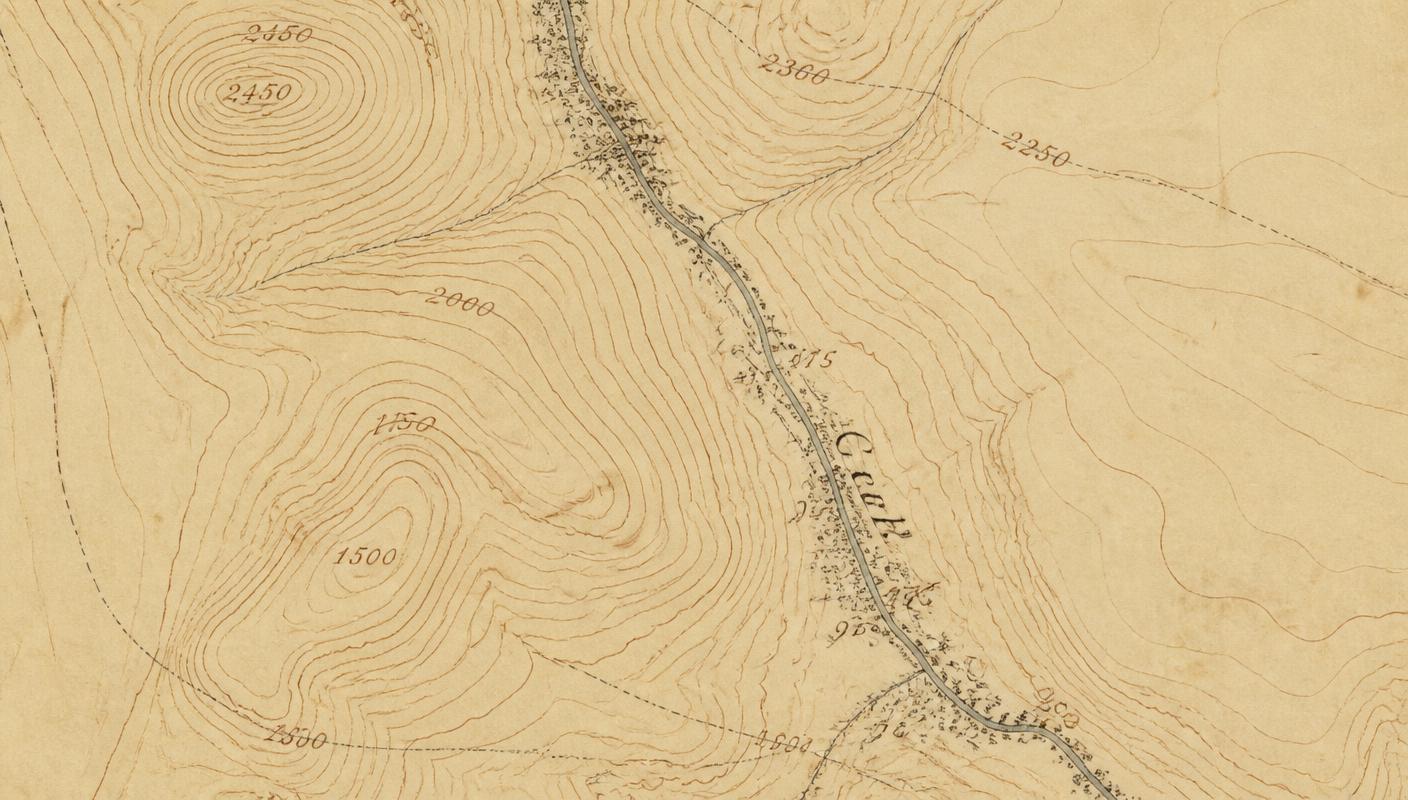
There is something inherently ungainly about early adolescence. That is part of the developmental work of these years.
Between eleven and fourteen, young people are developing more complex ways of understanding themselves and the world while also renegotiating relationships, testing boundaries, and building independence. The process can be exciting and deeply uncomfortable—for adolescents and for the adults who care for them.
Woodwide is designed around the possibilities of this particular stage of development. Rather than treating uncertainty, struggle, and change as problems to get past, we help students learn to work through discomfort, take meaningful risks, revise their thinking, and discover what they are capable of.
Who thrives here
Capable young people who want more from school than they are getting.
- Students who are bright and capable but not fully served by a conventional middle school: curious, creative, sensitive, intense, restless, or neurodivergent.
- Students who need real depth, flexibility, and intellectual work worth doing.
- Students who benefit from a school attentive to the relationships, experiences, and environments that shape how they learn.

How learning works at Woodwide
Everything starts with a provocation.
Learning at Woodwide is deliberately connected rather than divided into separate subjects. Students encounter ideas through multiple disciplinary lenses and through one another: a question might require history, mathematics, scientific observation, close reading, or art to understand fully. Students develop expertise, teach what they know to their peers, encounter other ways of seeing, and revise their own understanding in response.

- 01Provocation
- 02Inquiry
- 03Skill gaps
- 04Direct instruction
- 05Integration
- 06Reflection
One object, many lenses
The same object changes as the lens changes: pigment and chemistry; power and wealth; representation and identity; the history of who could afford to be painted.
Thoughtful technology
Neither pretending nor capitulating.
AI isn't something schools can simply ignore or prohibit, but its emergence does ask us to reconsider some basic questions about learning: what students should know and be able to do, what we choose to measure and why, and what kinds of thinking and work have value, and for whom. At Woodwide, students engage with these questions directly while learning to use emerging technologies thoughtfully, critically, and with purpose.

Habits we develop
- Evaluate where information comes from and what may be missing.
- Verify claims rather than outsourcing judgment to a tool.
- Reflect on when technology supports learning and when it replaces it.
- Collaborate to shape community guidelines for how and when we use AI.
Mentorship & community
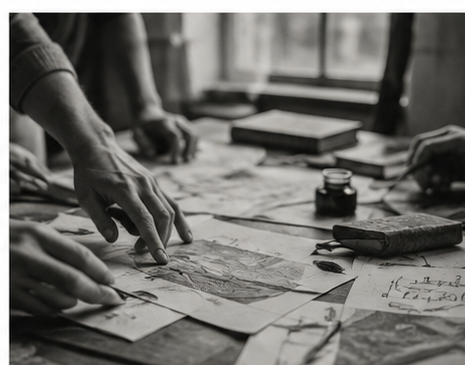
Every student is known well by an adult.
A mentor meets with each student regularly. They notice where a student gets stuck, name strengths the student cannot yet see, help build strategies, and talk through friendships and conflicts as they arise.
Students learn that belonging to a community means being supported by it and taking responsibility for it. They practice disagreeing with someone they like, working with someone unlike them, navigating discomfort, and returning to difficult work or relationships when the first attempt doesn't go well.
Access & shared resources
Every family brings something the community needs.
Woodwide is developing a tiered tuition model. Families with greater financial capacity pay higher tuition, widening the range of students who can attend. Families also enrich the school through time, skills, expertise, and connections. Resources move through the community in different ways; every family participates fully in it and contributes to what the community can become.
Founder
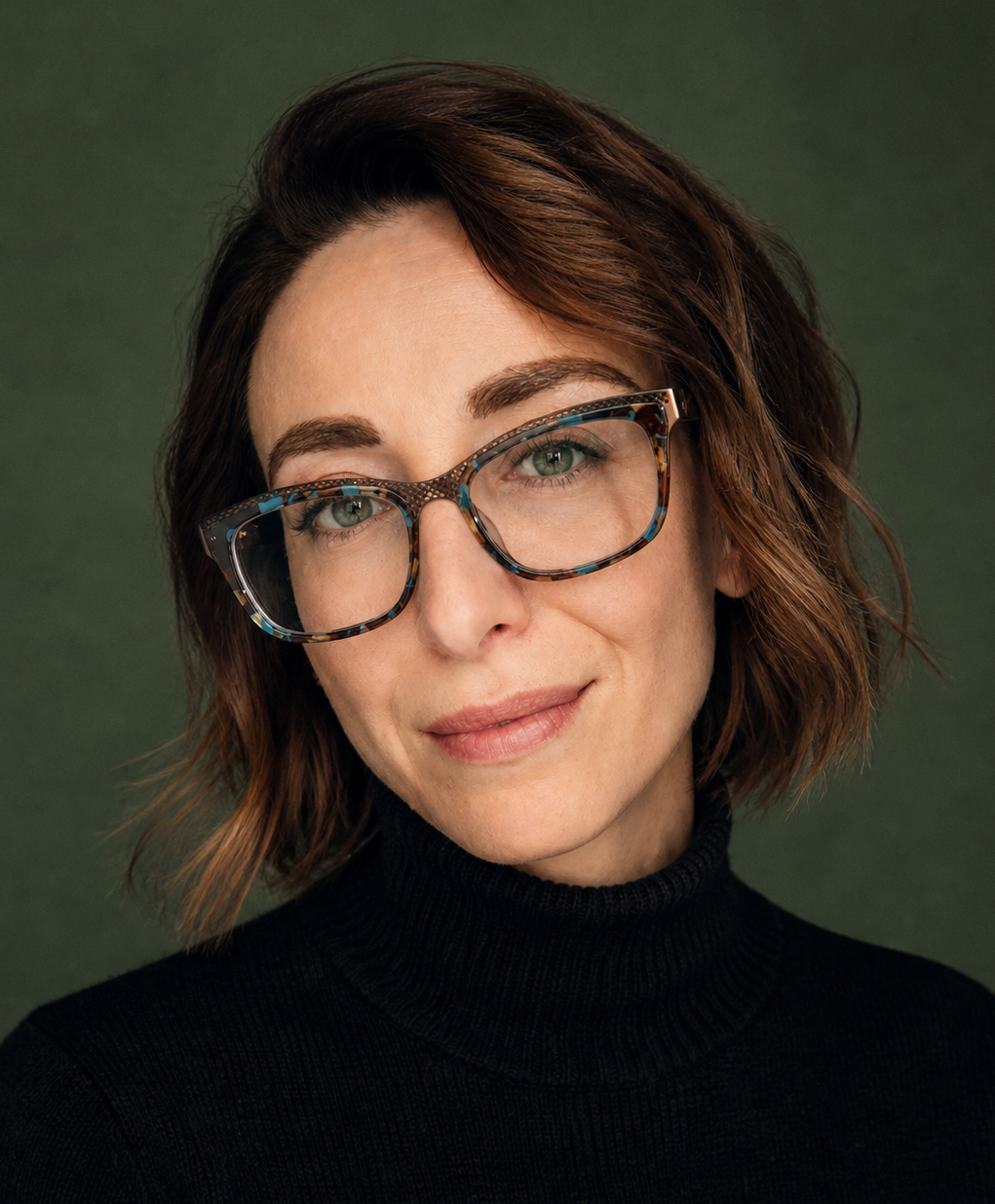
Lauren has spent more than fifteen years teaching and mentoring students, beginning in higher education at UCLA, where she earned her PhD in English, and later at CU Boulder. In recent years, she has worked primarily with middle and high school students through individualized teaching and academic mentorship.
Woodwide grew from Lauren's experience of how much our assumptions about what learning should look like can limit what we're able to see in students. Given the freedom to follow students' thinking beyond conventional disciplinary boundaries and measures of success, she saw how differently students could arrive at understanding they could genuinely call their own.
Lauren is also the parent of two children in and around the middle school years. She believes these years ask something of adults, too: to listen closely, remain curious, admit what we don't know, and keep learning alongside the young people in our care.
Lauren Dembowitz, PhD

Opening Fall 2027
Woodwide is taking shape. We welcome questions, ideas, and conversations with interested families.
If you have a child who will be in grades 6 through 8 in 2027, or you simply want to follow Woodwide's development, we'd be glad to hear from you.
Or write to us
hello@woodwideschool.orgBoulder County, Colorado. Grades 6 to 8, one mixed-age cohort.